Emerging Trends in Payment Approval Times for Table Games on Mobile Platforms in Licensed Jurisdictions
Freya Carter · Sep 27, 2026
Emerging Trends in Payment Approval Times for Table Games on Mobile Platforms in Licensed Jurisdictions
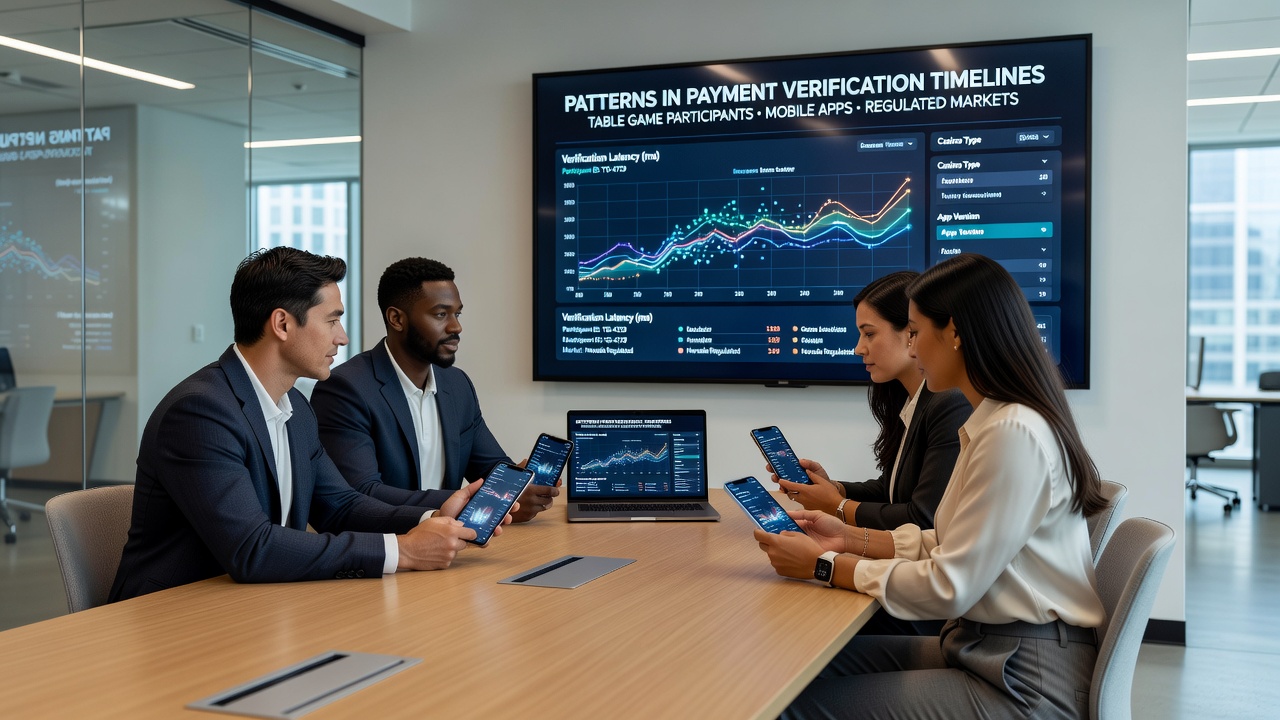
Payment verification timelines for table game participants using mobile applications continue to draw attention from regulators and operators across licensed markets, where data collection efforts have expanded significantly since early 2025. Observers note that average processing windows range from under two minutes in high-volume jurisdictions to more than fifteen minutes in others, with patterns tied to transaction size, user history, and regional compliance layers. Studies conducted by independent analytics firms reveal that these timelines fluctuate based on the volume of simultaneous table game sessions, particularly during evening peaks when blackjack and roulette activity spikes on wireless networks.
Data Collection Methods Across Markets
Regulatory bodies gather verification statistics through automated reporting systems embedded in licensed mobile platforms, allowing analysts to track approval rates by game type and payment method. In September 2026, updated reporting protocols from several North American agencies are scheduled to standardize these metrics further, creating comparable datasets between states and provinces. Figures from the New Jersey Division of Gaming Enforcement indicate that e-wallet transactions for table games clear 34 percent faster than card-based options on average, while bank transfers lag behind due to additional identity checks required under multi-state agreements.
Operators report that machine learning models now flag high-risk profiles in real time, which shortens verification for established users but extends it for new accounts. One study released by a Canadian research consortium found that participants who complete initial identity verification during account setup experience 28 percent shorter approval windows during subsequent table game sessions. This pattern holds across both slot and table offerings, though table game participants trigger additional scrutiny when wager sizes exceed certain thresholds.
Regional Variations adn Influencing Factors
Markets in the Asia-Pacific region demonstrate different timelines compared with North American and European counterparts, largely because of varying anti-money laundering requirements. Data compiled by the Australian Communications and Media Authority shows that verification for table game mobile play averages 4.7 minutes in licensed environments, with delays most common during cross-border payment routing. European operators, operating under harmonized standards, record tighter ranges, yet seasonal tourism surges can push averages higher when participant volumes increase.
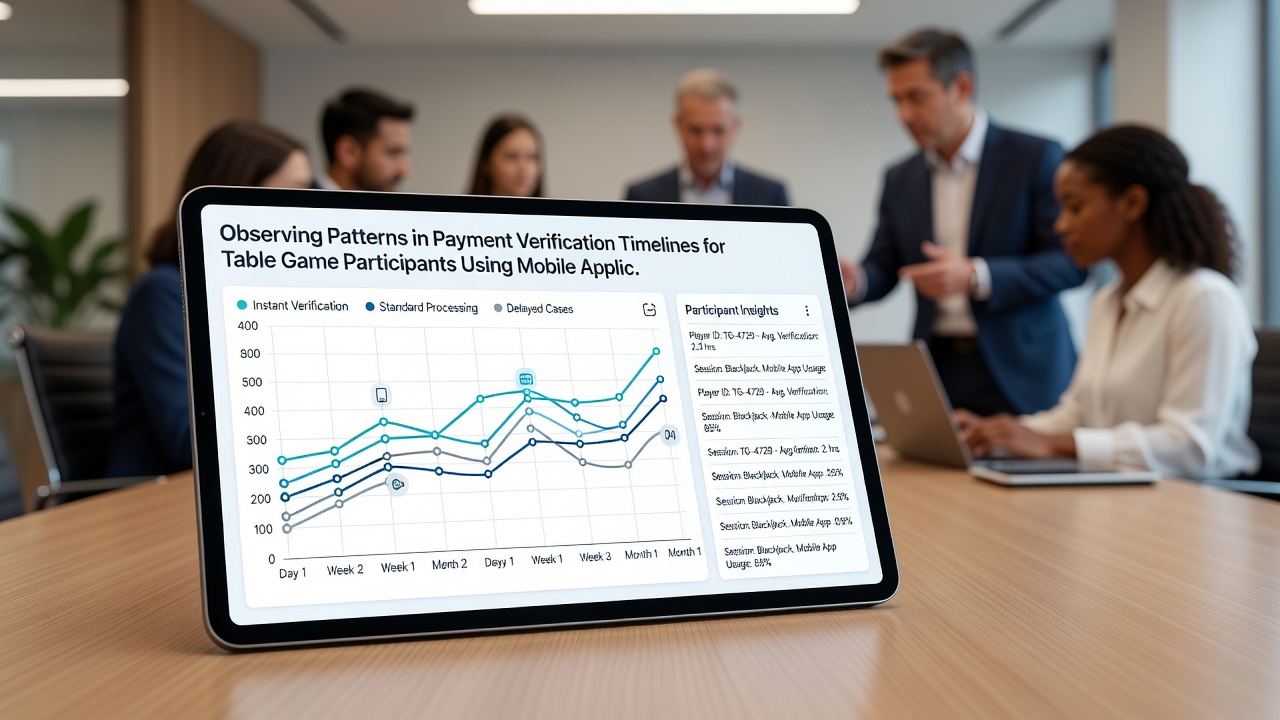
Security protocols tied to live dealer interactions add another layer, since real-time authentication must align with game flow. Those who've examined transaction logs note that participants switching between multiple table games within a single session often face cumulative verification steps, even when initial deposits clear quickly. Industry reports highlight that integration with third-party verification services reduces average timelines by up to 40 percent in markets where such partnerships are permitted.
Technological Shifts Affecting Timelines
Advancements in biometric authentication and tokenized payment methods have begun altering verification patterns, particularly for returning table game users on mobile applications. Research indicates that facial recognition and device fingerprinting cut manual review rates by nearly half in jurisdictions that allow these tools. Yet implementation varies, with some regulators requiring human oversight for larger table game wagers regardless of automated clearances.
September 2026 marks the rollout of enhanced API standards in select markets, which operators expect will further compress verification windows by enabling instant cross-checks against shared databases. Current figures show that participants using prepaid mobile wallets experience the most consistent timelines, while those relying on direct bank links encounter more variability tied to banking hours and weekend processing rules. Observers tracking these shifts emphasize that consistency improves when operators maintain dedicated compliance teams monitoring mobile traffic patterns around the clock.
Conclusion
Patterns in payment verification timelines for mobile table game participants reflect a combination of regulatory requirements, technological capabilities, and operational practices across licensed markets. Continued data standardization efforts, including those planned for September 2026, should provide clearer benchmarks for comparison between jurisdictions. Operators and regulators alike monitor these metrics to balance security with user experience, as verification remains a core component of maintaining integrity in regulated mobile environments.