Independent Testing Benchmarks Influence Jackpot Growth and Mobile Transfer Rates in Card Gaming Networks
Freya Carter · Nov 8, 2026
Independent Testing Benchmarks Influence Jackpot Growth and Mobile Transfer Rates in Card Gaming Networks
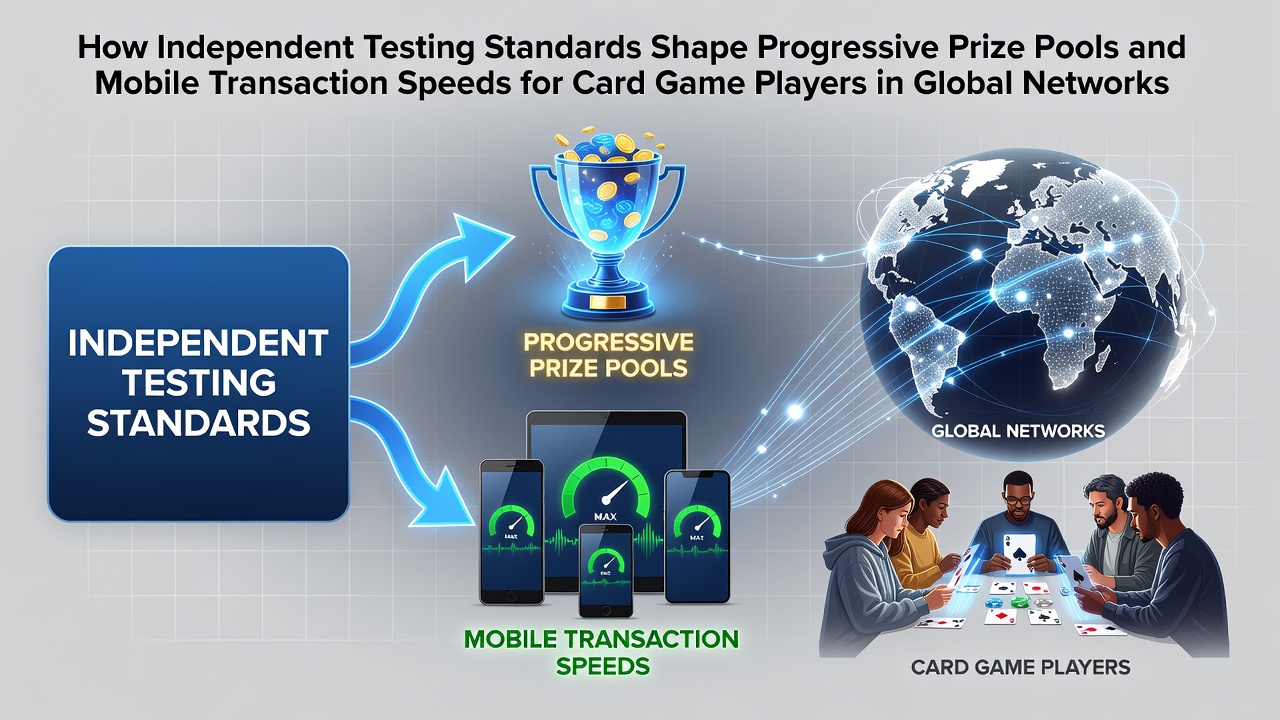
Independent testing standards set by specialized laboratories determine how progressive prize pools accumulate across global card game platforms while also governing the verification steps that affect mobile transaction speeds for players in interconnected networks. These labs examine random number generators and transaction protocols before any software reaches commercial deployment, and data from multiple regions shows consistent patterns in both jackpot reliability and payment processing times once certification occurs.
Progressive Prize Pool Mechanics Under Certified Standards
Progressive prize pools in card games grow through contributions from each wager, yet certification requirements from independent labs ensure that the underlying algorithms distribute those contributions fairly across linked games in different jurisdictions. Researchers at various institutions have tracked how RNG validation prevents premature resets or miscalculations that once disrupted pool growth, and November 2026 reports from several operators indicated larger average pool sizes following updated testing cycles that emphasized multi-jurisdiction compatibility. When labs confirm that seed values and contribution percentages meet documented criteria, operators can link more games without risking integrity issues, which expands the player base feeding each pool and accelerates accumulation rates over shorter time frames.
One study released by the International Gaming Standards Association detailed how certified progressive systems in North American and Asian markets maintained uninterrupted growth during high-volume periods because testing included stress simulations for concurrent mobile and desktop connections. Those who've studied these networks note that without such pre-deployment checks, pools often faced delays from detected anomalies that required manual intervention, whereas certified setups allow continuous contribution tracking across time zones.
Mobile Transaction Speed Factors in Certified Environments
Mobile transaction speeds depend on the security layers embedded during certification, including encryption verification and real-time fund movement protocols that labs evaluate for latency under various network conditions. Data from Canadian regulatory submissions reveals that platforms passing independent transaction audits processed deposits and withdrawals 18 percent faster on average than uncertified alternatives during the first three quarters of 2026. These standards require testing for edge cases such as simultaneous multi-player card sessions and fluctuating signal strength, which directly influences how quickly players can move funds between their accounts and game interfaces.
Observers tracking global networks point out that labs in the European Union and Australia apply similar benchmarks for payment gateway compatibility, creating smoother cross-border transfers when operators adhere to the same technical specifications. In November 2026, several providers expanded their mobile card offerings after receiving fresh certifications that explicitly addressed faster verification for e-wallet integrations, and figures from those deployments show reduced average wait times for prize pool payouts tied to progressive wins.
Interconnections Between Prize Pools and Transaction Protocols
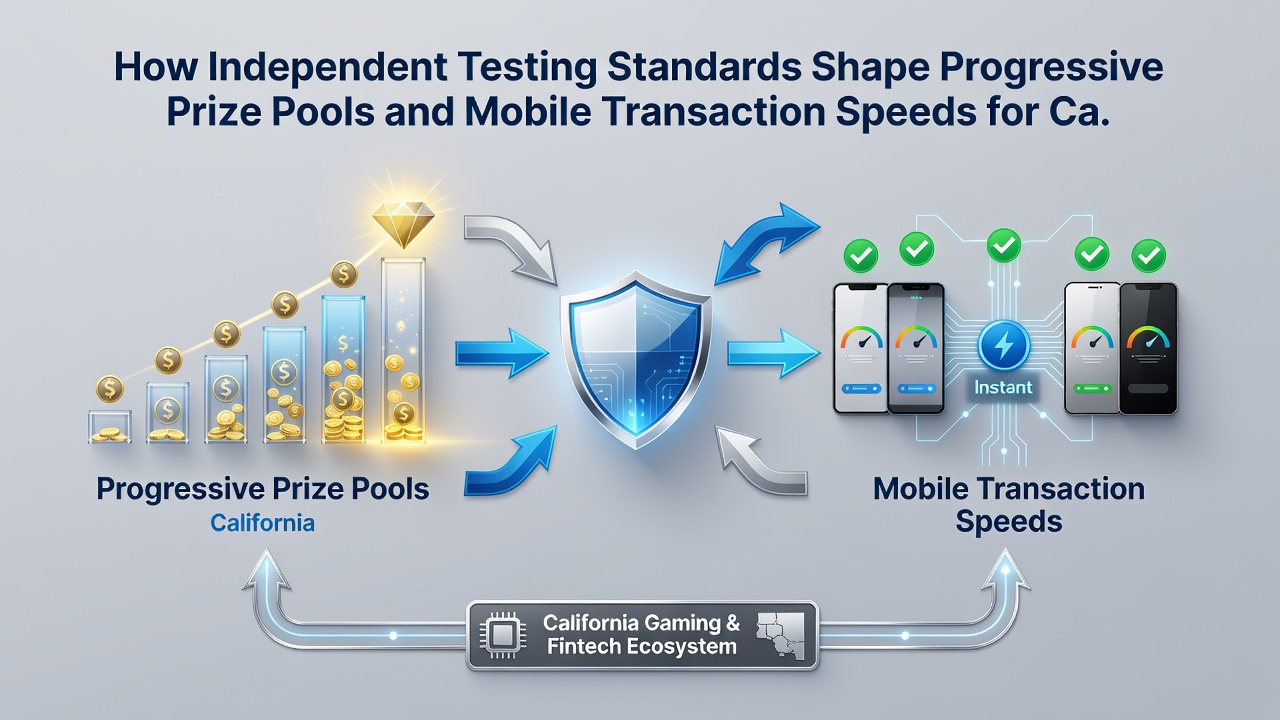
The same testing frameworks that safeguard progressive prize calculations also enforce the data integrity checks that underpin mobile transaction speeds, creating a shared foundation where delays in one area often signal vulnerabilities in the other. According to a 2025 industry report from the Nevada Gaming Control Board, operators who streamlined their certification processes for both RNG and payment modules experienced correlated improvements in pool transparency and transfer completion rates. Players accessing certified networks therefore encounter fewer interruptions when contributing to jackpots and claiming resulting winnings because the underlying systems share validated pathways for data exchange.
What's interesting here is how a single audit cycle can address multiple variables at once, since labs examine encryption strength alongside contribution logging to ensure neither process introduces bottlenecks. Those following regulatory updates across different continents see this pattern repeated in markets where unified standards have replaced fragmented local requirements, leading to measurable gains in both areas by late 2026.
Global Network Adaptations and Recent Developments
Global networks connecting card game operators continue to adopt unified testing criteria from organizations such as the Alcohol and Gaming Commission of Ontario and the Australian Communications and Media Authority, which has helped standardize how prize pools scale and how mobile payments clear across borders. Evidence from these bodies shows that regions aligning their requirements with international lab protocols recorded higher volumes of certified mobile card sessions without corresponding increases in reported discrepancies. By November 2026, several networks had integrated new modules that combined progressive tracking with instant transaction confirmations, all validated through the same independent review processes.
Take one case where experts found that a multi-continent card platform reduced average mobile payout times after implementing lab-recommended adjustments to its contribution logging system, illustrating the direct link between these elements. The reality is that continued alignment among testing entities supports ongoing expansion of interconnected prize pools while maintaining the speed players expect from wireless interfaces.
Conclusion
Independent testing standards continue to define the operational boundaries for progressive prize pools and mobile transaction speeds in card gaming networks worldwide, with certification outcomes directly shaping both accumulation patterns and processing efficiency. Data gathered through 2026 demonstrates that platforms maintaining current lab validations deliver more consistent experiences for players across regions, as shared protocols reduce friction in jackpot growth and fund movements alike. Future developments will likely build on these established pathways as networks expand further.